










Social media


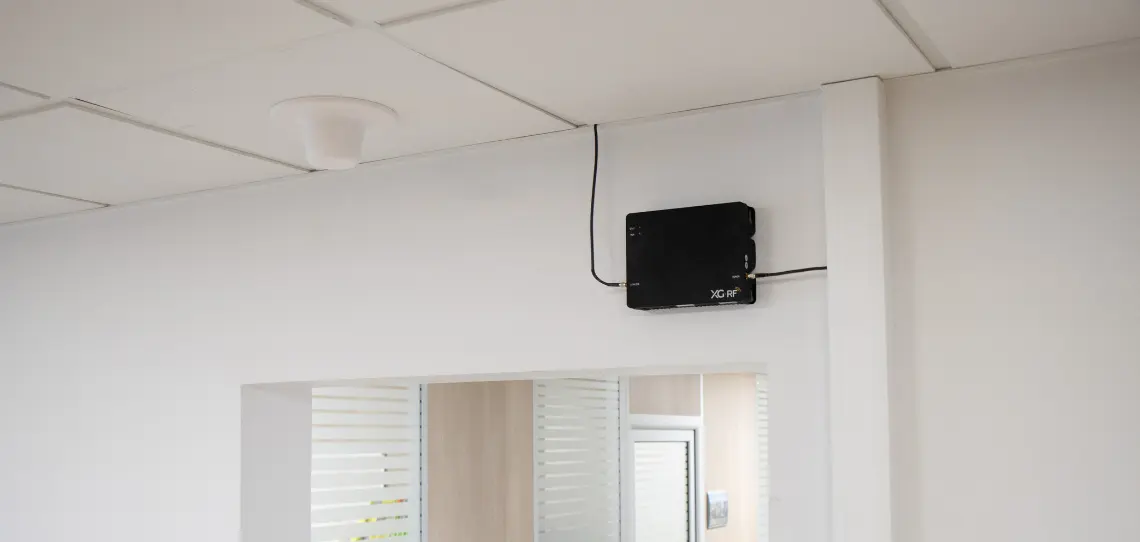
The rapid growth of the mobile networks market has transformed the role of radio equipment within telecom infrastructures. Once assessed mainly in terms of radio performance and electrical safety, these devices are now subject to reinforced cybersecurity requirements. With the evolution of the RED Directive, regulatory compliance now explicitly includes the protection of networks and data, making cybersecurity a prerequisite for 4G and 5G repeaters and other active radio equipment.
Why the RED Directive has evolved towards cybersecurity requirements
Radio equipment deployed in today’s mobile networks is no longer passive. It integrates software interfaces, remote monitoring functions and IP connectivity essential for operation. While this increased connectivity improves network performance and flexibility, it also expands exposure to cyber threats, particularly in indoor and critical environments.
In this context, a 4G/5G repeater no longer simply amplifies a signal. It becomes an active network component, interacting with other equipment and potentially with broader information systems.
Until recently, the RED Directive primarily focused on radio spectrum usage and electrical safety. This approach did not fully address cybersecurity risks, despite the widespread adoption of connected use cases.
The updated regulatory framework addresses this gap, reflecting the EU authorities’ intention to align radio equipment requirements with the operational realities of modern mobile networks.
Connected radio equipment may process or transmit sensitive data, including configuration information, monitoring traffic or network usage data. The RED Directive now requires appropriate protection mechanisms, such as encrypted communications and secure access management.
These requirements directly apply to 4G/5G repeaters, particularly when deployed in professional or industrial environments where data confidentiality and integrity are critical.
In mobile networks, 4G/5G repeaters play a key role in extending coverage and improving quality of service, especially in complex indoor environments. Their position within the radio chain makes them strategic technical assets with a direct impact on network stability and availability.
As such, compliance with cybersecurity requirements becomes a decisive factor for operators and network owners.
Cybersecurity is not limited to protection against external attacks. It also contributes to overall network reliability by reducing risks related to uncontrolled access or unsecured software updates.
A RED-compliant 4G/5G repeater therefore supports service continuity and risk management, beyond simple regulatory compliance.
Meeting RED Directive requirements requires a holistic design approach. Cybersecurity must be integrated from the earliest stages of development, considering software architecture, authentication mechanisms and secure update processes throughout the product lifecycle.
This approach enables anticipation of regulatory changes and ensures long-term compliance.
The XG-RF® Nexis repeater follows this approach. It has been designed to meet current RED Directive requirements, including cybersecurity aspects, by integrating protection mechanisms aligned with modern mobile network use cases.
This compliance reflects a commitment to providing equipment aligned with European standards and meeting operators’ and integrators’ expectations in terms of performance, reliability and security.
The evolution of the RED Directive marks a significant step in standardising cybersecurity requirements for radio equipment. For mobile networks, and especially for 4G/5G repeaters, regulatory compliance is becoming a true indicator of quality and operational reliability.
Choosing equipment designed to meet these requirements helps anticipate regulatory constraints while strengthening the security and resilience of network infrastructures. Telenco teams support mobile network players in understanding and implementing these new standards.
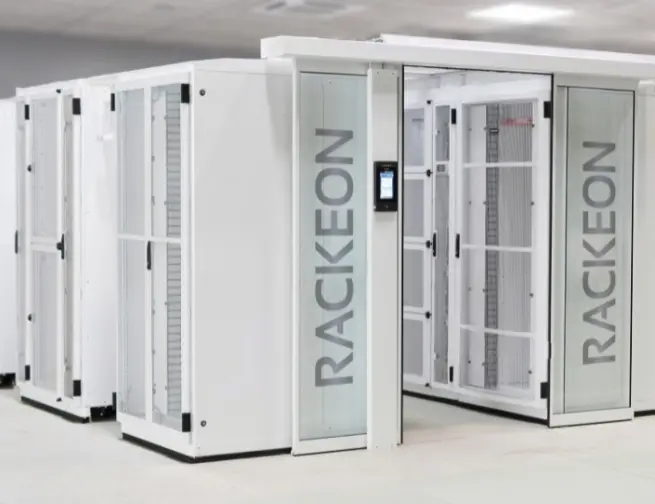
With RACKEON®, Telenco brings its designer-manufacturer expertise to data centre infrastructure. The brand offers racks, cooling systems, aisle containment and intelligent PDUs for digital environments.

Discover how a private 5G network improves coverage, mobility, security and service continuity across industrial, logistics and energy sites, and when to choose it or combine it with Wi-Fi.

NGIS, a Telenco Group subsidiary, has obtained VCA** certification, strengthening its HSE organisation and ability to manage complex wireless and telecom projects.
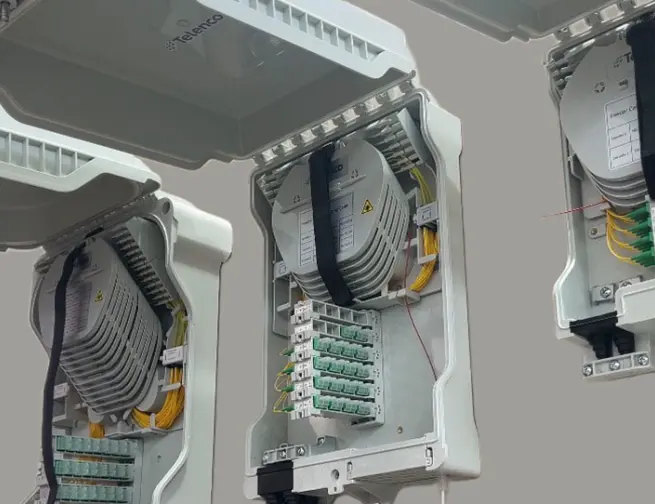
The WGP FL series (BEP) is a modular fibre optic building entry point in 5 versions, from 6 to 144 fibres. NE3/NE4 cable entry modules, splice cassettes, a generous slack storage area and IP55 protection simplify network deployment.

Compare passive, active and hybrid DAS architectures to design reliable indoor 5G coverage for your building, operators and future network needs.
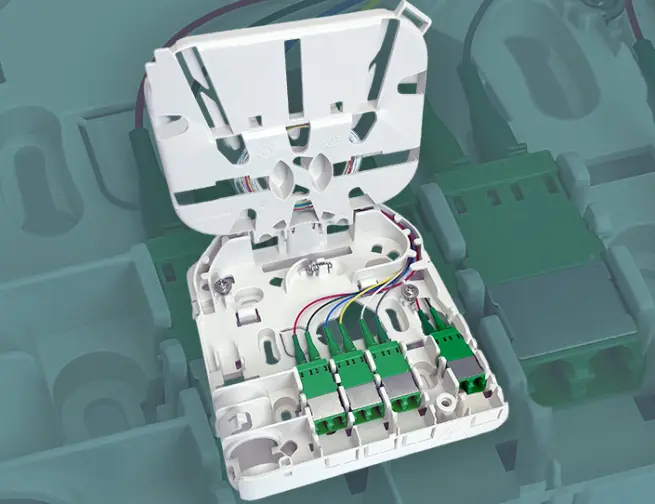
The BEP-XS is an all-in-one solution that simplifies fibre deployments. It combines BEP, floor box and OTO functions, with wall, flush or DIN rail mounting. Ideal for residential projects and network extensions.

Offices, factories, hospitals… mobile signal drops where it's needed most. Modern insulating materials and higher 5G frequencies make indoor connectivity a major infrastructure challenge. For 13 years, Telenco has been deploying dedicated solutions
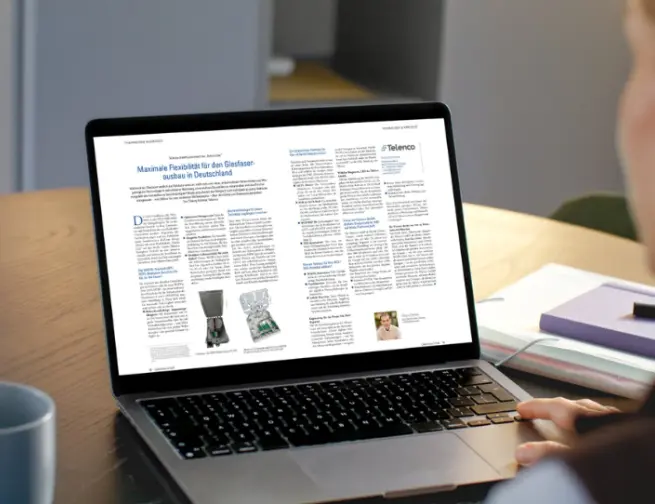
Skilled labour shortages and tight deadlines: Telenco addresses German market challenges with the Future Line range. Hestia OTO, floor boxes, WGP BEP XS… a complete portfolio for fast, modular FTTH deployments.
These Telenco passive solutions can be directly leveraged by engineers within their models, in line with real-world field constraints. They ensure seamless continuity between the design and deployment phases, with no gaps between planning and implementation.

Telenco welcomed six young participants from the Passe Décisive programme for a workplace immersion. The visit combined an overview of company activities with practical discussions on career access and employment.

Through a strategic partnership with Zyxel, Telenco expands its Mobile Networks portfolio with ZoneDAS ActiveDAS solutions. A new approach to deploy high-performance, scalable indoor mobile networks suitable for sites of all sizes.

Telenco has been awarded a B rating by CDP for its climate transparency in 2025, among nearly 20,000 companies assessed. The recognition highlights the quality of its reporting, risk management and commitment to a low-carbon, sustainable economy.

